


News
Comparing Mini Crawler Excavators to Standard Excavators: Essential Insights for Informed Decision-Making
Release time:
2026-04-23
Comparing Mini Crawler Excavators to Standard Excavators: What You Need to Know Table of Contents 1. Introduction to Excavators 2. Overview of Mini Crawler Excavators 3. Overview of Standard Excavators 4. Key Differences Between Mini Crawler and Standard Excavators 5. Advantages of Mini Crawler Excavators 6. Advantages of Standard Excavators 7. Ideal Applications for E
Comparing Mini Crawler Excavators to Standard Excavators: What You Need to Know
Table of Contents
- 1. Introduction to Excavators
- 2. Overview of Mini Crawler Excavators
- 3. Overview of Standard Excavators
- 4. Key Differences Between Mini Crawler and Standard Excavators
- 5. Advantages of Mini Crawler Excavators
- 6. Advantages of Standard Excavators
- 7. Ideal Applications for Each Type
- 8. Factors to Consider When Choosing
- 9. Conclusion
- 10. FAQs
1. Introduction to Excavators
Excavators are vital machinery in the construction and engineering industries, providing the ability to dig, lift, and transport materials efficiently. Among the various types of excavators, mini crawler excavators and standard excavators stand out for their unique features and applications. Understanding the distinctions between these two types can significantly influence project efficiency and cost-effectiveness.
2. Overview of Mini Crawler Excavators
Mini crawler excavators are compact, versatile machines designed for operation in confined spaces. They typically weigh between 1 to 6 tons and are equipped with tracks that allow for enhanced stability and mobility on uneven terrain. The reduced size of mini crawlers makes them ideal for residential projects, landscaping, and utility work, where space constraints often pose a challenge.
Key Features of Mini Crawler Excavators
- Compact Size: Their small footprint enables access to tight spaces.
- Versatility: Can be used for various tasks, including digging, grading, and lifting.
- Ease of Transport: Lightweight design facilitates easier transportation between job sites.
3. Overview of Standard Excavators
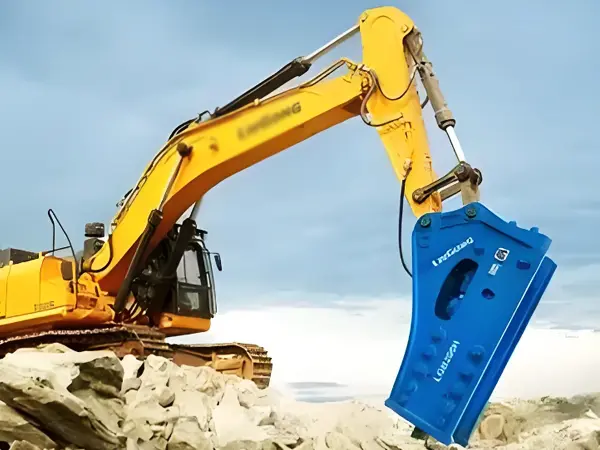
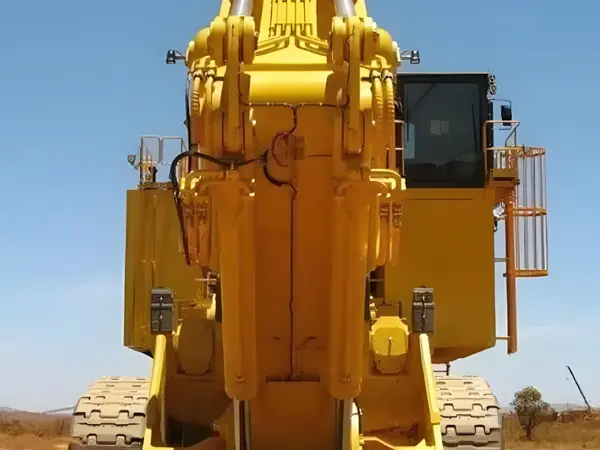
Standard excavators, on the other hand, are larger machines typically ranging from 15 to over 100 tons. They are designed for heavier, more extensive operations in construction, mining, and large-scale earthmoving projects. Standard excavators offer more power, reach, and lifting capacity compared to their mini counterparts.
Key Features of Standard Excavators
- High Power Output: More robust engines enable them to handle larger loads.
- Extended Reach: Longer arms and booms allow for deeper digging and greater reach.
- Variety of Attachments: Can accommodate a wider range of attachments for specialized tasks.
4. Key Differences Between Mini Crawler and Standard Excavators
Understanding the fundamental differences between mini crawler excavators and standard excavators is crucial for selecting the right machine for your project.
Size and Weight
Mini crawler excavators are designed for maneuverability in limited spaces, whereas standard excavators are larger and heavier, suitable for expansive job sites.
Power and Performance
Standard excavators provide significantly more power and performance capabilities, making them ideal for heavy-duty tasks. In contrast, mini excavators excel in efficiency for smaller jobs.
Cost Implications
Generally, mini crawler excavators come with lower purchase and maintenance costs, making them more accessible for smaller businesses. Standard excavators require a greater investment but offer enhanced productivity in larger projects.
5. Advantages of Mini Crawler Excavators
Mini crawler excavators come with several advantages that make them attractive to contractors and builders alike.
1. Accessibility
Their compact size allows them to navigate through narrow openings and confined areas, making them perfect for urban construction and landscaping projects.
2. Lower Operating Costs
With lower fuel consumption and maintenance needs, mini excavators can lead to reduced operational expenses.
3. Enhanced Versatility
Mini crawlers can easily switch between various attachments, such as buckets, augers, and hydraulic breakers, enhancing their utility on the job site.
6. Advantages of Standard Excavators
Standard excavators also provide unique benefits, especially for larger-scale projects.
1. Superior Strength and Durability
Robust construction makes standard excavators capable of handling demanding tasks, including heavy lifting and extensive digging.
2. Greater Reach and Capacity
With longer arms and larger buckets, standard excavators can reach deeper levels and lift heavier materials than mini excavators.
3. Advanced Technology Integration
Many standard excavators come equipped with advanced technology, including GPS and telematics, enhancing precision and efficiency on the job site.
7. Ideal Applications for Each Type
Understanding the specific applications for mini crawler and standard excavators can guide your decision-making process.
Applications for Mini Crawler Excavators
- Residential landscaping projects
- Utility installations
- Small excavation tasks
Applications for Standard Excavators
- Large-scale construction sites
- Mining operations
- Heavy demolition projects
8. Factors to Consider When Choosing
When deciding between mini crawler excavators and standard excavators, several factors should be taken into account.
1. Project Scale and Scope
Evaluate the scale of your project. For smaller, confined tasks, a mini crawler may suffice; for larger, more demanding jobs, a standard excavator is likely necessary.
2. Budget Constraints
Consider both the initial investment and long-term operating costs. Mini excavators generally have lower upfront and maintenance costs.
3. Terrain and Job Site Conditions
Assess the terrain where the excavator will operate. Mini crawlers work well on uneven ground, while standard excavators are better suited for stable, open areas.
9. Conclusion
In conclusion, both mini crawler excavators and standard excavators serve essential roles in the construction and engineering industries. Choosing the right type depends largely on the specific requirements of your project, including size, scope, and budget. By understanding the unique features and advantages of each type, you can make an informed decision that enhances productivity and efficiency on your job site.
10. FAQs
1. What is the primary difference between mini crawler excavators and standard excavators?
The primary difference lies in their size, weight, power, and intended applications. Mini crawlers are compact and versatile, whereas standard excavators are larger and designed for heavy-duty tasks.
2. When should I choose a mini crawler excavator?
A mini crawler excavator is ideal for small to medium-sized projects, particularly in confined spaces or where maneuverability is essential.
3. Are standard excavators more expensive to maintain?
Yes, standard excavators typically incur higher maintenance costs due to their size, complexity, and power requirements.
4. Can I use attachments on mini crawler excavators?
Absolutely! Mini crawler excavators can use various attachments, making them versatile for different tasks.
5. What types of jobs are best suited for standard excavators?
Standard excavators excel in large-scale construction, mining, and heavy demolition tasks where significant power and reach are necessary.