


News
The Pros and Cons of Renting vs. Buying Crawler Hydraulic Excavators: A Comprehensive Guide for Construction Professionals
Release time:
2026-04-09
The Pros and Cons of Renting vs. Buying Crawler Hydraulic Excavators Table of Contents Introduction Understanding Crawler Hydraulic Excavators Benefits of Renting Crawler Hydraulic Excavators Drawbacks of Renting Crawler Hydraulic Excavators Advantages of Buying Crawler Hydraulic Excavators Disadvantages of Buying Crawler Hydraulic Excavators Financial Considerations f
The Pros and Cons of Renting vs. Buying Crawler Hydraulic Excavators
Table of Contents
- Introduction
- Understanding Crawler Hydraulic Excavators
- Benefits of Renting Crawler Hydraulic Excavators
- Drawbacks of Renting Crawler Hydraulic Excavators
- Advantages of Buying Crawler Hydraulic Excavators
- Disadvantages of Buying Crawler Hydraulic Excavators
- Financial Considerations for Renting vs. Buying
- Making the Right Decision: Key Factors to Consider
- Frequently Asked Questions
- Conclusion
Introduction
In the construction industry, the decision to either rent or buy crawler hydraulic excavators is a critical one that can impact your project timeline, budget, and overall efficiency. Crawler hydraulic excavators are vital for various tasks, including digging, lifting, and material handling. This article provides a comprehensive analysis of the benefits and drawbacks of both renting and buying these machines, enabling you to make an informed choice that aligns with your specific needs.
Understanding Crawler Hydraulic Excavators
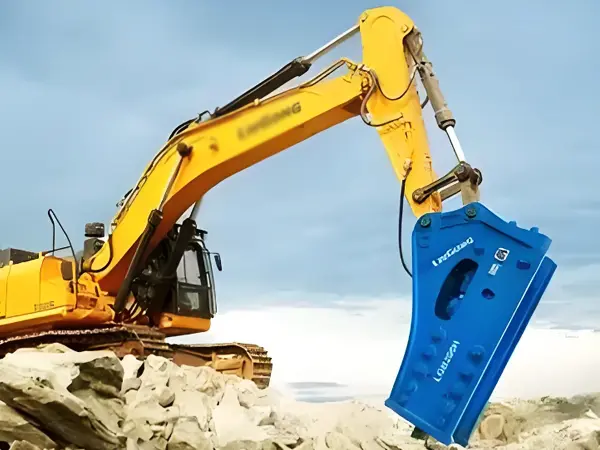
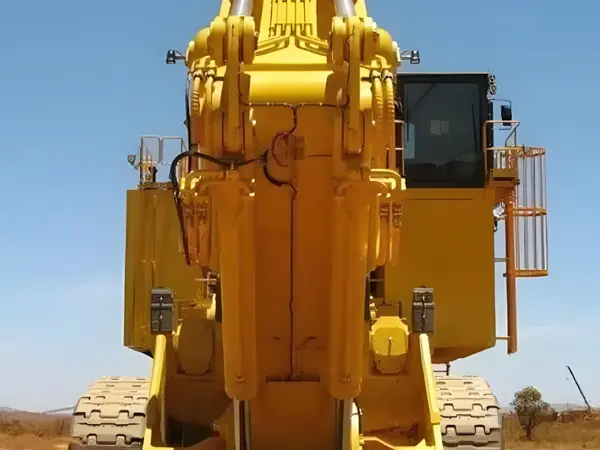
Crawler hydraulic excavators are heavy construction equipment equipped with a rotating superstructure, a digging arm, and a bucket. They are designed to perform intricate tasks in various terrains, making them essential in construction, mining, and demolition projects. Their versatility and power make them a preferred choice for contractors handling heavy-duty work.
Benefits of Renting Crawler Hydraulic Excavators
Renting crawler hydraulic excavators offers several advantages, particularly for companies that may not require these machines on a long-term basis.
1. Cost-Effectiveness for Short-Term Projects
Renting is particularly advantageous for short-term projects where the need for heavy machinery is temporary. Instead of committing a significant amount of capital to purchase a machine that may only be used for a few weeks or months, renting allows you to allocate funds more efficiently.
2. Access to the Latest Technology
When renting, businesses have the opportunity to utilize the latest models and technologies without the burden of long-term ownership. Newer excavators often come equipped with advanced features that enhance productivity and safety, enabling contractors to maintain a competitive edge.
3. Reduced Maintenance Responsibilities
Renting alleviates the burden of regular maintenance and repairs. Rental companies typically cover these costs, allowing contractors to focus on their primary tasks without worrying about the upkeep of heavy machinery.
4. Flexibility and Scalability
Renting provides the flexibility to scale operations according to project demands. Whether you're taking on a large-scale project or a small job, you can easily adjust the number of excavators you need.
5. Easy Transportation and Logistics
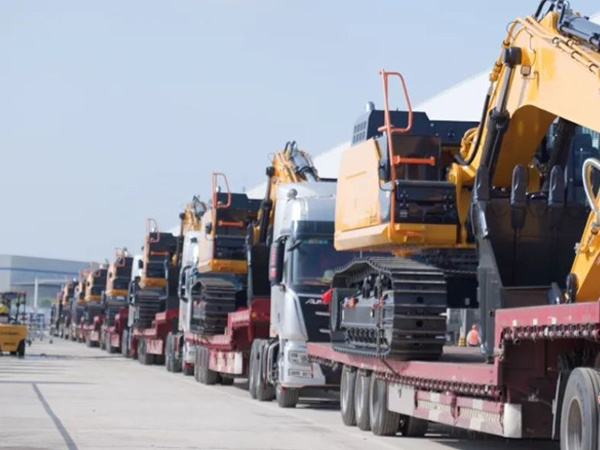
Many rental companies offer transportation services, simplifying logistics for contractors. This ensures that the equipment arrives on-site promptly and is collected once the project is completed.
Drawbacks of Renting Crawler Hydraulic Excavators
While renting has its advantages, there are also notable drawbacks that contractors should consider.
1. Higher Long-Term Costs
For contractors who require excavators for extended periods, renting can become significantly more expensive than purchasing. Regular rental fees can add up quickly, making ownership a more cost-effective solution in the long run.
2. Availability Issues
Depending on the demand for equipment, rental companies may face inventory shortages, especially during peak construction seasons. This can lead to delays if the required machinery is not available.
3. Limited Customization Options
Rental excavators come in standard configurations, limiting the ability to customize machines for specific tasks or preferences. This could impact efficiency in projects that require specialized equipment.
Advantages of Buying Crawler Hydraulic Excavators
Purchasing crawler hydraulic excavators presents several compelling benefits for construction companies.
1. Long-Term Investment
Buying equipment can be a wise long-term investment, particularly for businesses that frequently require excavators for ongoing projects. Ownership reduces dependency on rental services and provides more control over costs.
2. Increased Resale Value
Heavy machinery can retain significant resale value if maintained properly. When the time is right, selling the excavator can help recoup a portion of the initial investment.
3. Tailored Configurations
Owning an excavator allows companies to customize it according to their specific requirements, enhancing operational efficiency. Custom attachments can be added based on the nature of the projects.
4. Availability and Accessibility
With owned machinery, contractors have immediate access to their equipment whenever needed. This availability can be crucial in meeting tight deadlines and maintaining project timelines.
5. Enhanced Familiarity and Efficiency
Owning the equipment enables operators to become familiar with its controls and functions, leading to increased efficiency and safety on the job site.
Disadvantages of Buying Crawler Hydraulic Excavators
However, purchasing excavators also comes with its set of challenges that need to be considered.
1. High Initial Costs
The most significant drawback of buying is the substantial upfront investment required. The purchase price of crawler hydraulic excavators can be a significant financial burden, particularly for smaller construction companies.
2. Maintenance and Repair Costs
Owning heavy machinery means taking on the responsibility for maintenance and repairs. These ongoing costs can add up, especially as the equipment ages and requires more frequent servicing.
3. Depreciation
Heavy machinery, like all assets, depreciates over time. This can lead to financial loss if the equipment needs to be sold in the future.
Financial Considerations for Renting vs. Buying
When deciding between renting and buying crawler hydraulic excavators, analyzing the financial implications is essential.
1. Cost Analysis
Conducting a detailed cost analysis helps identify which option is more financially viable based on the expected duration of use. Evaluate rental costs against potential purchase costs, including financing options.
2. Budget Allocations
Consider how each option aligns with your overall budget. Renting may be more suitable for companies with tighter cash flow, while purchasing may be viable for those with available capital.
3. Tax Implications
Both renting and buying have different tax implications. While rental payments are typically tax-deductible, owning equipment may allow for depreciation deductions. Consulting a financial advisor to understand these implications is advisable.
Making the Right Decision: Key Factors to Consider
Several key factors should be evaluated when deciding whether to rent or buy crawler hydraulic excavators:
1. Project Duration
If your projects are short-term, renting may be the better option. For long-term construction work, investing in ownership could save money.
2. Frequency of Use
Consider how often you need the excavator. Frequent use makes purchasing more appealing, while sporadic needs might lean towards renting.
3. Financial Health of Your Business
Assess your company's financial health, including cash flow and access to financing. A strong financial position may make purchasing more feasible.
4. Type of Projects
Evaluate the nature of your projects. If specialized equipment is often needed, owning may provide the flexibility required to adapt.
5. Future Growth Plans
Consider your growth plans. If expansion is on the horizon, investing in equipment now may better serve future projects.
Frequently Asked Questions
1. Is it cheaper to rent or buy a crawler hydraulic excavator?
The cost-effectiveness depends on the duration of usage. Renting is typically more economical for short-term projects, while buying may be better for long-term use.
2. What are the maintenance responsibilities when renting an excavator?
When renting, maintenance is usually covered by the rental company, freeing you from upkeep concerns.
3. Can I customize a rented crawler hydraulic excavator?
Customization options are limited for rented excavators, as they come in standard configurations.
4. How does depreciation affect the value of a crawler hydraulic excavator?
All heavy machinery depreciates over time, which can impact its resale value if sold later.
5. What should I consider before making a decision to rent or buy?
Evaluate project duration, frequency of use, financial health, type of projects, and future growth plans to make an informed decision.
Conclusion
Choosing between renting and buying crawler hydraulic excavators requires careful consideration of multiple factors, including financial implications, project needs, and long-term goals. Renting offers flexibility and lower short-term costs, while buying provides ownership benefits and customization options for frequent users. By thoroughly assessing the advantages and disadvantages of each option, construction professionals can make informed decisions that align with their operational and financial objectives. Ultimately, the right choice will depend on the unique circumstances of your business and the specific demands of your projects.