


News

Case Studies: Successful Projects Utilizing Forestry Excavators
Release time:
2025-12-18
Case Studies: Successful Projects Utilizing Forestry Excavators Table of Contents Introduction to Forestry Excavators Importance of Forestry Excavators in Modern Projects Overview of Successful Projects Case Study 1: The Green Valley Reforestation Project Case Study 2: Urban Development and Land Clearing Case Study 3: Timber Harvesting Efficiency Technological Advancem
Case Studies: Successful Projects Utilizing Forestry Excavators
Table of Contents
- Introduction to Forestry Excavators
- Importance of Forestry Excavators in Modern Projects
- Overview of Successful Projects
- Case Study 1: The Green Valley Reforestation Project
- Case Study 2: Urban Development and Land Clearing
- Case Study 3: Timber Harvesting Efficiency
- Technological Advancements in Forestry Excavators
- Challenges Encountered and Overcome in Projects
- The Future of Forestry Excavators in the Industry
- Conclusion
- FAQs
Introduction to Forestry Excavators
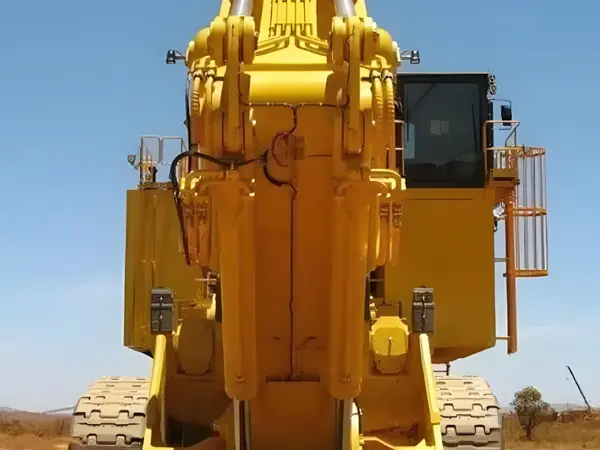
Forestry excavators are specialized heavy machinery designed for a variety of applications in forestry and land development. Equipped with powerful hydraulic systems and versatile attachments, these machines are capable of performing tasks ranging from tree felling and stump removal to site preparation and land clearing. Their robust design and functionality make them indispensable in both large-scale forestry operations and urban construction projects.
Importance of Forestry Excavators in Modern Projects
The role of forestry excavators extends beyond mere extraction of timber; they contribute significantly to sustainability and efficiency in project completion. These machines not only enhance productivity but also minimize environmental impact by enabling precise operations. As the demand for timber increases, the importance of effective and responsible forestry practices is paramount. Forestry excavators play a crucial role in achieving these objectives.
Overview of Successful Projects
Several projects around the world have successfully utilized forestry excavators to achieve their goals. Through detailed case studies, we will analyze how these machines have transformed project outcomes, highlighting innovative applications and real-world results.
Case Study 1: The Green Valley Reforestation Project
The Green Valley Reforestation Project aimed to restore a deforested area of 500 acres that had suffered severe ecological damage. Utilizing forestry excavators equipped with specialized attachments, the project team was able to clear invasive species and prepare the land for replanting.
**Key Achievements:**
- **Rapid Land Clearance:** The use of forestry excavators allowed for efficient removal of over 10,000 invasive trees within two months.
- **Soil Preparation:** By using specific attachments, the team could aerate the soil, enhancing conditions for new saplings.
- **Reforestation Success:** Over 70,000 native saplings were successfully planted, revitalizing the ecosystem.
The project not only restored the ecological balance but also provided a habitat for local wildlife, demonstrating the multifaceted benefits of utilizing forestry excavators in reforestation efforts.
Case Study 2: Urban Development and Land Clearing
In an urban setting, the rapid development of new residential complexes often involves significant land clearing. The Maplewood Urban Development Project faced challenges due to dense vegetation and uneven terrain. Forestry excavators were pivotal in navigating these obstacles.
**Key Achievements:**
- **Efficient Vegetation Removal:** Utilizing forestry excavators, the team cleared over 15 acres of land in just three weeks, significantly ahead of schedule.
- **Reduced Environmental Impact:** The excavators were fitted with precision tools that minimized soil disturbance and protected surrounding areas.
- **Sustainable Practices:** The project adopted a selective harvesting approach, allowing for the preservation of mature trees that enhanced the area’s aesthetics.
This case study exemplifies how forestry excavators can streamline urban development while adhering to sustainable practices.
Case Study 3: Timber Harvesting Efficiency
The Timberland Harvesting Company undertook a project to enhance its timber harvesting efficiency in a mixed forest area. Utilizing advanced forestry excavators, the company aimed to increase its output while maintaining environmental standards.
**Key Achievements:**
- **Increased Timber Yield:** The use of specialized attachments resulted in a 30% increase in the volume of timber harvested compared to previous methods.
- **Safety Enhancements:** Operators reported a significant reduction in workplace accidents, attributed to the precise control offered by modern forestry excavators.
- **Ecosystem Preservation:** The careful selection of trees to harvest ensured that the forest ecosystem remained balanced, allowing for regeneration.
This case study highlights the role of forestry excavators in maximizing operational efficiency while promoting sustainable forestry practices.
Technological Advancements in Forestry Excavators
The evolution of forestry excavators has been marked by significant technological advancements. Innovations such as GPS tracking, automated systems, and enhanced hydraulics have transformed the way these machines operate.
**Key Innovations:**
- **GPS Technology:** GPS-equipped forestry excavators aid in precise navigation and mapping, optimizing land use and reducing waste.
- **Automated Functions:** Automation allows for more efficient operations, reducing the physical strain on operators while increasing productivity.
- **Eco-Friendly Engines:** Newer models come equipped with eco-friendly engines that comply with stringent emissions regulations, contributing to environmental sustainability.
These advancements not only improve operational efficiency but also enhance the safety and sustainability of forestry operations.
Challenges Encountered and Overcome in Projects
While forestry excavators provide numerous benefits, projects often encounter challenges that must be addressed. Common issues include difficult terrain, weather conditions, and regulatory compliance.
**Overcoming Challenges:**
- **Terrain Navigation:** Advanced technology in forestry excavators allows for better maneuverability in challenging terrains, ensuring project timelines are met.
- **Weather Adaptability:** Operators are trained to adjust their strategies based on weather conditions, ensuring safety and continued productivity.
- **Regulatory Compliance:** Awareness of environmental regulations guides the operation of forestry excavators, ensuring projects align with sustainable practices.
These strategies illustrate the resilience and adaptability of teams working on forestry projects.
The Future of Forestry Excavators in the Industry
As the forestry industry continues to evolve, the role of forestry excavators is expected to expand. The future will likely see even greater integration of technology, including artificial intelligence and machine learning, to enhance operational efficiency and decision-making.
**Predictions for the Future:**
- **Increased Automation:** Future models may feature more automated functions, allowing for remote operation in hazardous environments.
- **Sustainability Focus:** A growing emphasis on environmentally friendly practices will drive innovation in machinery design and operation.
- **Enhanced Training:** The focus on operator training will ensure that teams are well-equipped to utilize advancements in technology effectively.
These trends indicate a promising future for forestry excavators, with an emphasis on efficiency, safety, and sustainability.
Conclusion
Forestry excavators have proven their value in a variety of projects, from reforestation to urban development and timber harvesting. The case studies discussed highlight the significant impact of these powerful machines on efficiency, safety, and environmental sustainability. As technology continues to advance, the future of forestry excavators promises even greater innovations that will further enhance their role in the industry. Their versatility and power position them as essential tools for modern forestry and construction projects, ensuring that they remain at the forefront of the industry for years to come.
FAQs
1. What are forestry excavators used for?
Forestry excavators are used for a variety of tasks including tree felling, stump removal, site preparation, and land clearing in forestry and construction projects.
2. How do forestry excavators enhance sustainability?
Forestry excavators enhance sustainability by enabling precise operations that minimize environmental impact, facilitating reforestation, and allowing for selective harvesting practices.
3. What advancements are being made in forestry excavators?
Advancements include GPS technology, automation, eco-friendly engines, and improved hydraulics, all aimed at increasing efficiency and reducing environmental impact.
4. What challenges do forestry projects face?
Challenges include navigating difficult terrain, adverse weather conditions, and complying with environmental regulations, all of which can impact project timelines and outcomes.
5. Why is operator training important for forestry excavators?
Operator training is crucial to ensure that teams can effectively use advanced technology, maintain safety standards, and optimize machinery performance in the field.