


News
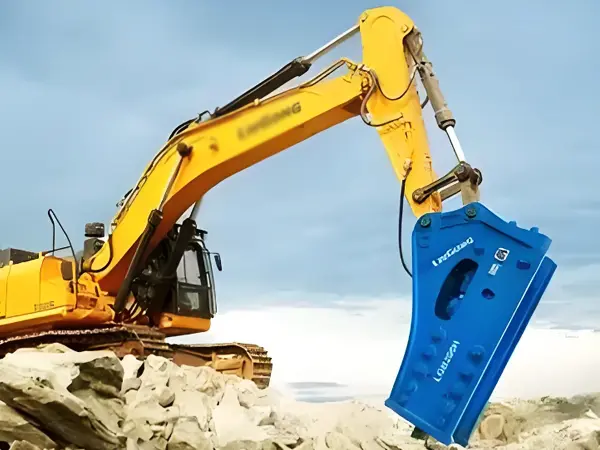
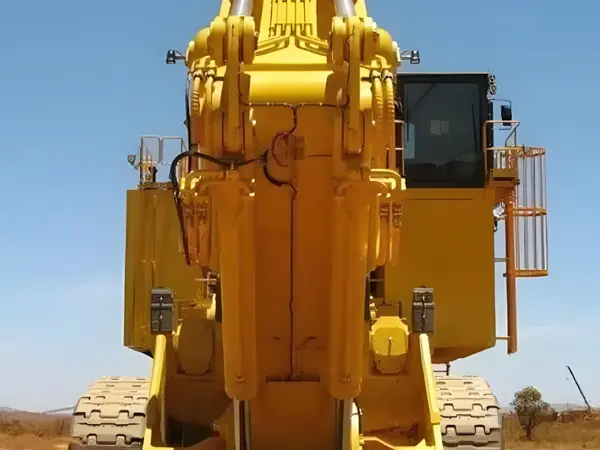

Excavator Stick Cylinder: The Essential Backbone of Earth Moving Equipment
Release time:
2025-11-06
Excavator Stick Cylinder: The Essential Backbone of Earth Moving Equipment Table of Contents Introduction to Excavator Stick Cylinders Understanding the Functionality of the Stick Cylinder Key Components of the Stick Cylinder Types of Stick Cylinders Used in Excavators The Importance of Maintenance Common Problems and Solutions Innovations in Stick Cylinder Technology
Excavator Stick Cylinder: The Essential Backbone of Earth Moving Equipment
Table of Contents
- Introduction to Excavator Stick Cylinders
- Understanding the Functionality of the Stick Cylinder
- Key Components of the Stick Cylinder
- Types of Stick Cylinders Used in Excavators
- The Importance of Maintenance
- Common Problems and Solutions
- Innovations in Stick Cylinder Technology
- Conclusion
- FAQs
Introduction to Excavator Stick Cylinders
The **excavator stick cylinder** is an integral part of earth-moving equipment, playing a vital role in the operation of an excavator. This hydraulic component connects the excavator's boom to the stick, allowing operators to maneuver the arm effectively. The stick cylinder enables the extension and retraction of the stick, facilitating various tasks such as digging, lifting, and hauling materials.
Understanding the intricacies of the stick cylinder is crucial for operators and maintenance personnel. The cylinder's design and functionality directly impact the performance of the excavator, influencing how efficiently it can handle heavy loads and navigate challenging terrains.
Understanding the Functionality of the Stick Cylinder
The **stick cylinder** operates based on hydraulic principles. When hydraulic fluid is pumped into the cylinder, it creates pressure that pushes the rod out, causing the stick to extend. Conversely, when the pressure is released, the rod retracts, pulling the stick back to its original position. This mechanism allows for precise control over the excavator's movements, enabling operators to perform tasks with accuracy.
The stick cylinder's ability to generate significant force is what makes it invaluable in earth-moving operations. It not only enhances the versatility of the excavator but also increases its efficiency, allowing for quicker project completion times.
Key Components of the Stick Cylinder
To appreciate the functionality of the stick cylinder, it's essential to understand its key components:
1. Cylinder Barrel
The cylinder barrel houses the hydraulic fluid and provides a surface for the piston to move. It is typically made from high-strength steel to withstand the pressures generated during operation.
2. Piston
The piston is a crucial component that moves within the cylinder barrel. It divides the cylinder into two chambers: one for extending the stick and the other for retracting it.
3. Rod
The rod is connected to the piston and extends outside the cylinder barrel. It is responsible for transferring the hydraulic force to the stick, allowing for movement.
4. Seals
Seals play a vital role in preventing hydraulic fluid from leaking out of the cylinder. They ensure that the system remains pressurized and operates efficiently.
5. End Caps
End caps secure the cylinder components in place and are designed to withstand high pressures. They also provide attachment points for connecting the cylinder to the excavator's boom and stick.
Understanding these components and their functions can aid in maintaining the stick cylinder and ensuring the excavator operates at peak performance.
Types of Stick Cylinders Used in Excavators
Excavators come equipped with different types of stick cylinders, each designed to meet specific operational needs:
1. Single-Acting Cylinders
Single-acting cylinders only allow hydraulic fluid to enter one side of the piston, relying on gravity or mechanical force for retraction. They are simpler in design and often used in applications where the load is not excessively heavy.
2. Double-Acting Cylinders
Double-acting cylinders can exert force in both directions, providing greater control and efficiency. They are commonly used in excavators for tasks that require precise movements, such as digging and lifting.
3. Telescopic Cylinders
Telescopic cylinders consist of multiple nested cylinders, allowing for greater extension than a standard cylinder. They are particularly useful for excavators that need to reach considerable depths or heights.
Understanding the different types of stick cylinders can help operators select the right equipment for their specific applications, ensuring optimal performance and productivity.
The Importance of Maintenance
Regular maintenance of the **excavator stick cylinder** is critical for ensuring longevity and performance. Neglecting maintenance can lead to premature wear and tear, resulting in costly repairs and downtime. Here are some maintenance best practices:
1. Regular Inspections
Conduct routine inspections to check for any signs of wear, leaks, or damage. Early detection of issues can prevent more significant problems down the line.
2. Hydraulic Fluid Checks
Ensure that hydraulic fluid levels are adequate and that the fluid is clean. Contaminated fluid can cause damage to the cylinder and other hydraulic components.
3. Seal Replacement
Regularly check seals for wear and replace them as needed to prevent leaks and maintain pressure.
4. Lubrication
Properly lubricate moving parts to reduce friction and wear, ensuring smooth operation.
By adhering to these maintenance tips, operators can extend the lifespan of the excavator stick cylinder and enhance the overall efficiency of the equipment.
Common Problems and Solutions
Despite best maintenance practices, problems can arise with the stick cylinder. Here are some common issues and their solutions:
1. Hydraulic Leaks
**Problem:** Hydraulic fluid leaking from the cylinder.
**Solution:** Inspect seals and components for damage. Replace any worn seals and ensure that connections are tight.
2. Reduced Performance
**Problem:** The stick cylinder not extending or retracting efficiently.
**Solution:** Check hydraulic fluid levels and ensure that there are no blockages in the hydraulic lines. Clean or replace filters as necessary.
3. Noisy Operation
**Problem:** Unusual noises during operation.
**Solution:** Inspect for air in the hydraulic system. Bleed the system to remove air bubbles and check for any loose components.
Regular troubleshooting can help identify problems early, minimizing downtime and ensuring that the excavator operates efficiently.
Innovations in Stick Cylinder Technology
As technology advances, so do the components of earth-moving equipment. The **excavator stick cylinder** has seen several innovations that enhance performance and efficiency:
1. Advanced Materials
Modern stick cylinders are increasingly made from advanced materials that offer greater durability and resistance to wear and tear, extending the lifespan of the component.
2. Smart Sensors
The integration of sensors allows for real-time monitoring of cylinder performance. These sensors can alert operators to potential issues before they become significant problems.
3. Enhanced Hydraulic Systems
New hydraulic systems designed for energy efficiency reduce the amount of hydraulic fluid required, improving overall performance and reducing operating costs.
These innovations not only improve the performance of excavators but also contribute to more sustainable construction practices.
Conclusion
The **excavator stick cylinder** is undoubtedly a critical component in earth-moving equipment. Its role in enabling precise movements and efficient operations cannot be overstated. By understanding its functionality, components, and maintenance requirements, operators can maximize the performance of their excavators, ensuring that they complete projects with greater efficiency and effectiveness. As technology continues to evolve, staying informed about innovations in stick cylinder technology will be essential for those in the construction industry.
FAQs
1. What is the primary function of the excavator stick cylinder?
The primary function of the excavator stick cylinder is to control the extension and retraction of the stick, enabling precise movements necessary for various earth-moving tasks.
2. How often should the stick cylinder be inspected?
It is recommended to inspect the stick cylinder regularly, ideally before each use, to ensure that there are no signs of wear, leaks, or damage.
3. What are the signs of a failing stick cylinder?
Common signs of a failing stick cylinder include hydraulic fluid leaks, reduced performance, unusual noises, and visible damage to the cylinder components.
4. Can I replace a stick cylinder myself?
While DIY replacement is possible for experienced operators, it is recommended to consult a professional for proper installation and to ensure that the system is set up correctly.
5. How can I improve the lifespan of my stick cylinder?
Improving the lifespan of your stick cylinder involves regular maintenance, proper inspections, timely seal replacements, and using high-quality hydraulic fluid.
By understanding and addressing these aspects, we can ensure that excavator stick cylinders continue to perform efficiently, supporting the vital work of earth-moving operations.