


News
Understanding Hydraulic Diggers: A Comprehensive Guide for Modern Construction
Release time:
2025-10-02
Hydraulic diggers, often known as excavators, play a crucial role in various sectors of the construction and manufacturing industries. These robust machines utilize hydraulic systems to lift, dig, and move materials efficiently. Understanding the mechanics and applications of hydraulic diggers can greatly enhance their usage and maintenance, providing significant advantages for any construction pr
Hydraulic diggers, often known as excavators, play a crucial role in various sectors of the construction and manufacturing industries. These robust machines utilize hydraulic systems to lift, dig, and move materials efficiently. Understanding the mechanics and applications of hydraulic diggers can greatly enhance their usage and maintenance, providing significant advantages for any construction project.
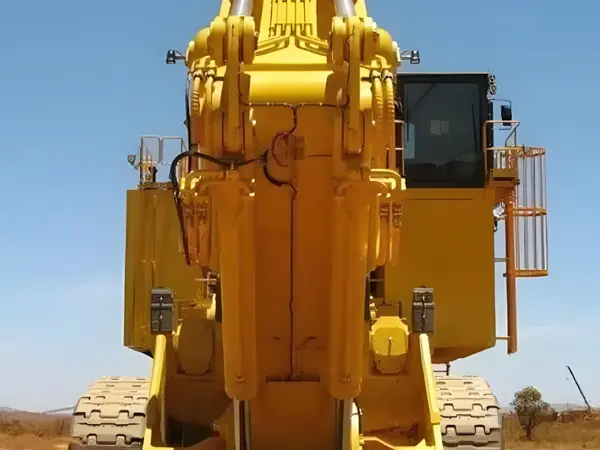
At the core of a hydraulic digger's operation is its hydraulic system, which operates based on Pascal's principle. This principle states that pressure applied to a confined fluid is transmitted undiminished in all directions. In practical terms, this allows hydraulic diggers to exert immense force, making them capable of performing tasks that would be impossible for manual labor. The machinery typically consists of a boom, arm, bucket, and rotating cab, enabling it to reach and manipulate materials from various angles.
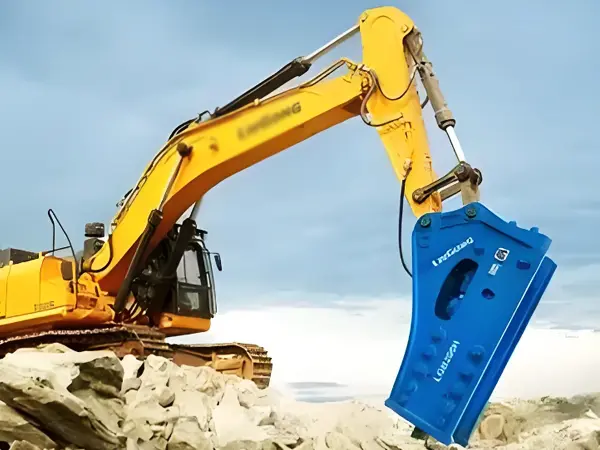
One of the standout features of hydraulic diggers is their versatility. They are equipped with interchangeable attachments, such as buckets, augers, and grapples, which allow them to perform a wide range of tasks. From digging foundations and trenching to lifting heavy materials and demolishing structures, hydraulic diggers can adapt to the specific needs of any project. This adaptability not only increases productivity but also reduces the need for multiple types of machinery on-site, ultimately saving time and costs.
In addition to their versatility, hydraulic diggers offer exceptional precision and control. Operators can maneuver these machines with a high degree of accuracy, allowing for detailed work in tight spaces. This precision is particularly valuable in urban environments where construction must be performed with minimal disruption to surrounding areas. Moreover, many modern hydraulic diggers come equipped with advanced technology such as GPS systems and automated controls, further enhancing their operational efficiency.
The benefits of hydraulic diggers extend beyond their operational capabilities. They also contribute to safety on construction sites. With the ability to perform heavy lifting and digging tasks, these machines reduce the physical strain on workers, minimizing the risk of injury. Furthermore, the controlled environment in which these machines operate ensures that tasks are completed with a lower likelihood of accidents compared to manual labor scenarios.
In conclusion, hydraulic diggers are indispensable tools in the construction and manufacturing sectors. Their powerful hydraulic systems, adaptability, precision, and safety features make them vital for efficient project execution. Understanding their operation and benefits can help businesses optimize their use, leading to improved productivity and safety on the job site. Whether you're involved in large-scale construction or specialized manufacturing, recognizing the importance of hydraulic diggers can significantly enhance your operational capabilities.
At the core of a hydraulic digger's operation is its hydraulic system, which operates based on Pascal's principle. This principle states that pressure applied to a confined fluid is transmitted undiminished in all directions. In practical terms, this allows hydraulic diggers to exert immense force, making them capable of performing tasks that would be impossible for manual labor. The machinery typically consists of a boom, arm, bucket, and rotating cab, enabling it to reach and manipulate materials from various angles.
One of the standout features of hydraulic diggers is their versatility. They are equipped with interchangeable attachments, such as buckets, augers, and grapples, which allow them to perform a wide range of tasks. From digging foundations and trenching to lifting heavy materials and demolishing structures, hydraulic diggers can adapt to the specific needs of any project. This adaptability not only increases productivity but also reduces the need for multiple types of machinery on-site, ultimately saving time and costs.
In addition to their versatility, hydraulic diggers offer exceptional precision and control. Operators can maneuver these machines with a high degree of accuracy, allowing for detailed work in tight spaces. This precision is particularly valuable in urban environments where construction must be performed with minimal disruption to surrounding areas. Moreover, many modern hydraulic diggers come equipped with advanced technology such as GPS systems and automated controls, further enhancing their operational efficiency.
The benefits of hydraulic diggers extend beyond their operational capabilities. They also contribute to safety on construction sites. With the ability to perform heavy lifting and digging tasks, these machines reduce the physical strain on workers, minimizing the risk of injury. Furthermore, the controlled environment in which these machines operate ensures that tasks are completed with a lower likelihood of accidents compared to manual labor scenarios.
In conclusion, hydraulic diggers are indispensable tools in the construction and manufacturing sectors. Their powerful hydraulic systems, adaptability, precision, and safety features make them vital for efficient project execution. Understanding their operation and benefits can help businesses optimize their use, leading to improved productivity and safety on the job site. Whether you're involved in large-scale construction or specialized manufacturing, recognizing the importance of hydraulic diggers can significantly enhance your operational capabilities.