


News
Crawler Hydraulic Excavators: Tailoring to Your Unique Project Requirements
Release time:
2025-09-11
Crawler Hydraulic Excavators: Tailoring to Your Unique Project Requirements Table of Contents 1. Introduction to Crawler Hydraulic Excavators 2. What Are Crawler Hydraulic Excavators? 3. Key Features and Benefits of Crawler Hydraulic Excavators 3.1 Power and Performance 3.2 Versatility and Attachments 3.3 Operability and Control 4. Applications of Crawler Hydraulic Excavat
Crawler Hydraulic Excavators: Tailoring to Your Unique Project Requirements
Table of Contents
- 1. Introduction to Crawler Hydraulic Excavators
- 2. What Are Crawler Hydraulic Excavators?
- 3. Key Features and Benefits of Crawler Hydraulic Excavators
- 4. Applications of Crawler Hydraulic Excavators
- 5. Choosing the Right Crawler Hydraulic Excavator for Your Project
- 5.1 Understanding Your Project Needs
- 5.2 Evaluating Specifications and Features
- 5.3 Budget Considerations
- 6. Maintenance Tips for Crawler Hydraulic Excavators
- 7. Conclusion
- 8. Frequently Asked Questions
1. Introduction to Crawler Hydraulic Excavators
In the realm of construction and engineering, **crawler hydraulic excavators** stand out as indispensable machines that provide unmatched versatility and efficiency. Designed to tackle a variety of tasks, from digging to demolition, these robust machines are engineered to excel in challenging terrains and demanding environments. Tailoring the **crawler hydraulic excavator** to your specific needs can significantly optimize your project outcomes, enhancing productivity while minimizing downtime.
2. What Are Crawler Hydraulic Excavators?
Crawler hydraulic excavators are heavy-duty construction equipment characterized by their wide tracks, which provide stability and mobility on uneven ground. Unlike wheeled excavators, crawlers distribute weight more effectively, reducing the risk of sinking into soft soil and improving performance in rugged conditions. With their hydraulic systems, these excavators offer superior power and control, allowing operators to perform various tasks with precision.
3. Key Features and Benefits of Crawler Hydraulic Excavators
Understanding the features and benefits of crawler hydraulic excavators is crucial for anyone looking to invest in this equipment. Let’s delve into some of the key aspects that make these machines a preferred choice in the industry.
3.1 Power and Performance
One of the standout features of crawler hydraulic excavators is their impressive power-to-weight ratio. Equipped with high-performance engines, these excavators deliver exceptional digging force, allowing them to handle tough materials effortlessly. Whether you’re breaking through rocky soil or lifting heavy loads, the hydraulic systems in these machines ensure smooth operation and optimal performance.
3.2 Versatility and Attachments
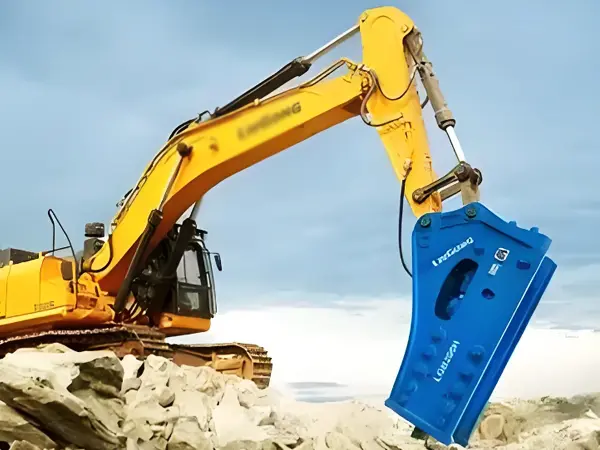
Crawler hydraulic excavators are inherently versatile, capable of being equipped with a wide range of attachments to suit various tasks. Options include buckets, augers, grapples, and hydraulic hammers, making it possible to switch between applications seamlessly. This adaptability not only enhances productivity but also allows you to invest in a single machine that can perform multiple functions, saving both time and money.
3.3 Operability and Control
Modern crawler hydraulic excavators are designed with user-friendly controls that enhance operability. Many models feature ergonomic cabins with intuitive joystick controls, providing operators with a comfortable working environment. Additionally, advanced technologies such as GPS and telematics offer real-time data on machine performance, facilitating better decision-making and efficiency on the job site.
4. Applications of Crawler Hydraulic Excavators
Crawler hydraulic excavators are employed across various sectors, showcasing their adaptability and effectiveness in different applications. Here are some common uses:
- **Construction**: Ideal for trenching, grading, and lifting heavy materials.
- **Mining**: Essential for earth-moving, drilling, and material handling in mining operations.
- **Demolition**: Equipped with specialized attachments, these excavators can efficiently demolish structures.
- **Landscaping**: Used for site preparation, grading, and planting.
- **Utility Installation**: Perfect for installing water, sewer, and utility lines.
5. Choosing the Right Crawler Hydraulic Excavator for Your Project
Selecting the appropriate crawler hydraulic excavator can significantly impact the success of your project. Several factors come into play when making this decision.
5.1 Understanding Your Project Needs
Begin by assessing the specific requirements of your project. Consider the types of tasks you need the excavator to perform, the weight of the materials you'll be handling, and the terrain of your job site. A clear understanding of your needs will guide you in selecting the right model and specifications.
5.2 Evaluating Specifications and Features
Once you have a clear picture of your needs, evaluate the specifications of different crawler hydraulic excavators. Key factors include the machine’s operating weight, digging depth, reach, and hydraulic flow rate. These specifications will determine the machine’s capability and suitability for your tasks.
5.3 Budget Considerations
Budget is a critical factor when choosing a crawler hydraulic excavator. While it’s tempting to opt for the cheapest option, consider the long-term costs associated with maintenance, fuel efficiency, and potential downtime. Investing in a high-quality machine may yield better performance and reliability in the long run.
6. Maintenance Tips for Crawler Hydraulic Excavators
To ensure the longevity and optimal performance of your crawler hydraulic excavator, regular maintenance is essential. Here are some key maintenance tips:
- **Regular Inspections**: Conduct routine checks to identify any wear and tear. Pay attention to hydraulic hoses, tracks, and undercarriage components.
- **Fluid Levels**: Keep engine oil, hydraulic fluid, and coolant at appropriate levels to prevent overheating and performance issues.
- **Cleaning**: Clean the machine regularly to remove dirt and debris, especially from the cooling system and filters.
- **Scheduled Servicing**: Follow the manufacturer’s maintenance schedule for servicing and repairs to keep your machine in top shape.
7. Conclusion
Crawler hydraulic excavators are invaluable assets in the construction and engineering sectors, offering versatility and efficiency to meet a variety of project needs. By understanding their features and benefits, recognizing their applications, and making informed decisions when selecting the right machine, you can significantly enhance your productivity and project outcomes. Tailoring your excavator to fit your specific requirements is not just a matter of convenience; it’s a strategic move that can lead to greater efficiency and success on the job site.
8. Frequently Asked Questions
**Q1: What is the primary advantage of using crawler hydraulic excavators over wheeled excavators?**
A1: Crawler hydraulic excavators provide better stability and traction on uneven terrain, making them more suitable for construction sites with challenging conditions.
**Q2: How can I improve the lifespan of my crawler hydraulic excavator?**
A2: Regular maintenance, timely inspections, and following the manufacturer's guidelines for servicing can significantly extend the lifespan of your excavator.
**Q3: Are crawler hydraulic excavators suitable for small projects?**
A3: Yes, while they are powerful machines, there are smaller models available that are ideal for small-scale projects, landscaping, and residential construction.
**Q4: What types of attachments are best for maximizing the utility of a crawler hydraulic excavator?**
A4: The best attachments depend on your specific tasks; however, general-purpose buckets, hydraulic hammers, and grapples are commonly used to enhance versatility.
**Q5: Can crawler hydraulic excavators be used in urban environments?**
A5: Yes, many models are designed to operate in urban settings, especially those with reduced noise and emissions to comply with local regulations.