


News

Top Signs Your Excavator Stick Cylinder Needs Maintenance
Release time:
2025-08-28
Top Signs Your Excavator Stick Cylinder Needs Maintenance Introduction The excavator is one of the most versatile and essential pieces of equipment in the construction and engineering industries. Among its various components, the stick cylinder plays a crucial role in controlling the movement of the boom and the bucket. However, like all machinery, the stick cylinder can wear down over time an
Top Signs Your Excavator Stick Cylinder Needs Maintenance
Introduction
The excavator is one of the most versatile and essential pieces of equipment in the construction and engineering industries. Among its various components, the stick cylinder plays a crucial role in controlling the movement of the boom and the bucket. However, like all machinery, the stick cylinder can wear down over time and require maintenance. Recognizing the early warning signs can prevent costly repairs and downtime.
Understanding the Role of the Stick Cylinder
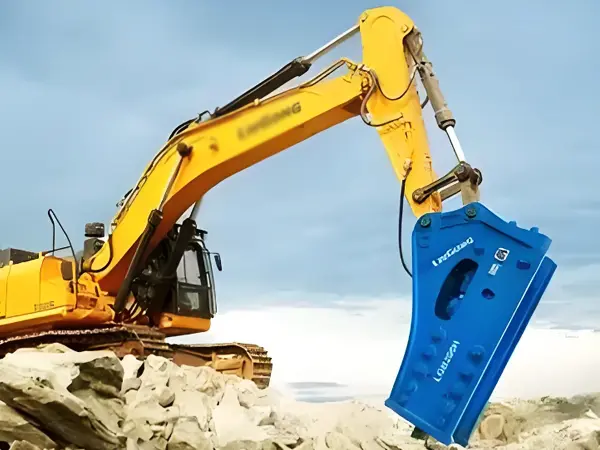
The stick cylinder is responsible for extending and retracting the stick, which holds the bucket. It operates through hydraulic pressure, converting fluid power into mechanical motion. This vital component enables the excavator to perform tasks such as digging, lifting, and moving materials. Regular maintenance of the stick cylinder ensures that the excavator operates efficiently and safely.
The Importance of Regular Maintenance
Maintaining your excavator's stick cylinder is not just about prolonging the life of the equipment; it's about ensuring safety on the job site. A malfunctioning cylinder can lead to operational hazards, increased wear on other components, and reduced productivity. By understanding the signs that indicate maintenance is needed, operators can act quickly to address issues before they escalate.
Common Signs of Wear and Tear in the Stick Cylinder
Identifying wear and tear in the stick cylinder is critical for maintaining the overall health of your excavator. Here are the most common signs to watch for:
1. Hydraulic Fluid Leaks
One of the most noticeable signs that your stick cylinder needs maintenance is the presence of hydraulic fluid leaks. If you notice fluid pooling around the base of the stick cylinder or along the hydraulic lines, it indicates that seals may be worn or damaged. Addressing leaks promptly is crucial, as low hydraulic fluid levels can lead to diminished performance and potential damage to the hydraulic system.
2. Reduced Power and Performance
If your excavator is struggling to lift loads or seems to be moving slower than usual, the stick cylinder may be underperforming. This can be caused by internal wear, low hydraulic pressure, or air in the hydraulic system. It is essential to diagnose the issue quickly to avoid further complications.
3. Unusual Noises During Operation
Hissing, grinding, or popping noises during operation can indicate problems within the stick cylinder. These sounds may suggest that internal components are wearing out or that there is insufficient lubrication. It is crucial to investigate and resolve these noises before they lead to significant damage.
4. Excessive Cylinder Movement
If the stick cylinder exhibits excessive play or movement, this is a sign of wear in the bushings or seals. This excessive movement can affect the accuracy and efficiency of the excavator's operations. Regular checks should be made to ensure that the cylinder is secure and operating within normal parameters.
5. Visible Damage or Corrosion
Routine visual inspections can help identify any physical signs of damage or corrosion on the stick cylinder. Cracks, dents, or surface rust can compromise the integrity of the cylinder and lead to more serious issues if not addressed. Keeping the cylinder clean and free from debris can help mitigate corrosion.
Maintaining Your Excavator Stick Cylinder
Taking proactive measures to maintain your excavator's stick cylinder will enhance its performance and extend its lifespan.
Routine Inspections
Regular inspections are essential for identifying potential issues before they escalate. Operators should perform daily checks of the stick cylinder, looking for leaks, unusual noises, and any visible signs of wear. Documenting these inspections can help track the condition over time and inform maintenance schedules.
Hydraulic Fluid Checks
Maintaining the right hydraulic fluid level is vital for the proper functioning of the stick cylinder. Regularly check the fluid levels and be sure to use the manufacturer's recommended hydraulic fluid. Replace old fluid according to the service intervals outlined in your equipment manual.
Seal and Bushing Replacement
Seals and bushings are critical components within the stick cylinder that can wear out over time. Monitoring their condition and replacing them as needed can prevent significant damage. Always use OEM parts for replacements to ensure compatibility and longevity.
Cleaning and Lubrication
Keeping the stick cylinder clean and well-lubricated will help prevent corrosion and wear. Regularly clean the exterior to remove dirt and debris, and apply suitable lubricants to moving parts as recommended by the manufacturer.
When to Seek Professional Help
While many maintenance tasks can be performed in-house, some issues may require professional intervention. If you encounter persistent problems, such as recurring leaks or performance issues that you cannot diagnose, it is wise to consult a trained technician. Professionals have the expertise and tools necessary to conduct thorough evaluations and repairs.
Cost Considerations for Stick Cylinder Maintenance
Investing in proper maintenance not only enhances efficiency but can also save costs in the long run. Here’s a breakdown of potential expenses:
Routine Maintenance Costs
Routine inspections and basic maintenance tasks, such as fluid changes and seal replacements, are relatively low-cost investments that can prevent more extensive repairs.
Repair Costs
If issues are left unaddressed for too long, they can escalate into costly repairs. Depending on the severity of the problem, you might face expenses ranging from simple seal replacements to complete cylinder overhauls.
Downtime Costs
The cost of downtime can significantly impact your project budget. By regularly maintaining your stick cylinder, you reduce the risk of unexpected failures and the associated costs of halted work.
FAQs About Excavator Stick Cylinder Maintenance
1. How often should I inspect my excavator's stick cylinder?
We recommend conducting daily inspections, especially if the machine is used frequently. Regular checks help catch any potential issues early.
2. What type of hydraulic fluid should I use?
Always consult the equipment manufacturer for the recommended hydraulic fluid type, as using the wrong fluid can lead to performance issues.
3. Can I replace seals and bushings myself?
If you have experience with hydraulic systems, you may replace seals and bushings. However, if you are uncertain, it is advisable to seek professional assistance.
4. What are the signs of a failing stick cylinder?
Look for hydraulic fluid leaks, reduced power, unusual noises, excessive cylinder movement, and visible damage or corrosion.
5. How can I prevent stick cylinder wear?
Regular inspections, proper lubrication, and timely maintenance are key to preventing wear and prolonging the life of the stick cylinder.
Conclusion
Recognizing the signs that your excavator's stick cylinder needs maintenance is vital for ensuring operational efficiency and safety on the job site. By understanding the common indicators of wear, conducting routine inspections, and addressing issues promptly, operators can maintain their equipment in optimal condition. Investing time and resources into the upkeep of your excavator's stick cylinder not only enhances its performance but can save you significant costs in repairs and downtime in the long run. Prioritizing maintenance will ultimately contribute to the success of your projects and the longevity of your machinery.