


News
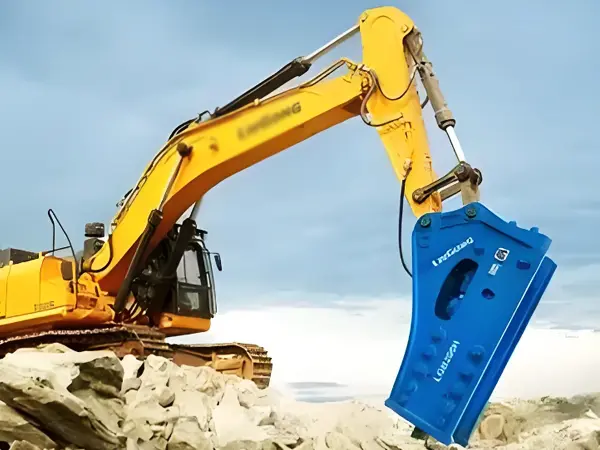


Understanding Boom Cylinder in Excavators: Functions and Importance
Release time:
2025-08-21
The boom cylinder is a critical component in excavators, playing a vital role in their overall functionality. This hydraulic cylinder controls the boom's movement, allowing for the extension and retraction necessary for various digging and lifting operations. Understanding its mechanics and maintenance is essential for professionals in the manufacturing and construction machinery industry. First a
The boom cylinder is a critical component in excavators, playing a vital role in their overall functionality. This hydraulic cylinder controls the boom's movement, allowing for the extension and retraction necessary for various digging and lifting operations. Understanding its mechanics and maintenance is essential for professionals in the manufacturing and construction machinery industry.
First and foremost, the main function of the boom cylinder is to provide the lifting and lowering capability of the boom arm. This hydraulic cylinder works by converting hydraulic energy into mechanical force, enabling the excavator to lift heavy loads efficiently. The boom cylinder is typically mounted to the excavator’s frame and connects to the boom, allowing for a range of motion that is crucial for various applications, including excavation, demolition, and material handling.
In terms of maintenance, regular inspection of the boom cylinder is crucial. Operators should look for signs of wear, leaks, or damage that could hinder performance. Ensuring that the hydraulic fluid levels are adequate and that the system is free of contaminants can significantly extend the life of the boom cylinder. Additionally, checking for any signs of physical damage, such as dents or cracks, can prevent larger issues that could lead to costly repairs or downtime.
Common issues associated with boom cylinders include hydraulic leaks, which can occur due to worn seals or damaged cylinder bodies. If a leak is detected, it is vital to address it immediately to maintain the efficiency and safety of the excavator. Another frequent issue is poor performance due to insufficient hydraulic pressure, which can be a result of various factors, including pump failures or blockages in the hydraulic lines.
It is also important for operators to familiarize themselves with the boom cylinder's specifications and operational limits. Understanding the maximum load capacity and the boom's reach can prevent overloading and ensure that the excavator operates safely and effectively. Operators should always consult the manufacturer's guidelines for proper usage and maintenance practices.
In conclusion, the boom cylinder is an indispensable part of an excavator that significantly influences its operational capabilities. By understanding its function, maintaining it properly, and addressing issues promptly, professionals in the construction and engineering fields can enhance the performance and longevity of their equipment. This knowledge not only ensures efficient operations but also contributes to workplace safety and productivity, making it crucial for anyone involved in the excavator manufacturing or operation sector.
First and foremost, the main function of the boom cylinder is to provide the lifting and lowering capability of the boom arm. This hydraulic cylinder works by converting hydraulic energy into mechanical force, enabling the excavator to lift heavy loads efficiently. The boom cylinder is typically mounted to the excavator’s frame and connects to the boom, allowing for a range of motion that is crucial for various applications, including excavation, demolition, and material handling.
In terms of maintenance, regular inspection of the boom cylinder is crucial. Operators should look for signs of wear, leaks, or damage that could hinder performance. Ensuring that the hydraulic fluid levels are adequate and that the system is free of contaminants can significantly extend the life of the boom cylinder. Additionally, checking for any signs of physical damage, such as dents or cracks, can prevent larger issues that could lead to costly repairs or downtime.
Common issues associated with boom cylinders include hydraulic leaks, which can occur due to worn seals or damaged cylinder bodies. If a leak is detected, it is vital to address it immediately to maintain the efficiency and safety of the excavator. Another frequent issue is poor performance due to insufficient hydraulic pressure, which can be a result of various factors, including pump failures or blockages in the hydraulic lines.
It is also important for operators to familiarize themselves with the boom cylinder's specifications and operational limits. Understanding the maximum load capacity and the boom's reach can prevent overloading and ensure that the excavator operates safely and effectively. Operators should always consult the manufacturer's guidelines for proper usage and maintenance practices.
In conclusion, the boom cylinder is an indispensable part of an excavator that significantly influences its operational capabilities. By understanding its function, maintaining it properly, and addressing issues promptly, professionals in the construction and engineering fields can enhance the performance and longevity of their equipment. This knowledge not only ensures efficient operations but also contributes to workplace safety and productivity, making it crucial for anyone involved in the excavator manufacturing or operation sector.