


News
Understanding Hydraulic Diggers: Key Insights for Professionals in the Engineering and Construction Machinery Industry
Release time:
2025-07-24
Hydraulic diggers, commonly known as excavators, are pivotal in the engineering and construction sectors, primarily utilized for digging, lifting, and moving heavy materials. Understanding the mechanics and applications of hydraulic diggers can enhance operational efficiency and ensure the successful execution of various projects. At the heart of a hydraulic digger's function is the hydraulic syst
Hydraulic diggers, commonly known as excavators, are pivotal in the engineering and construction sectors, primarily utilized for digging, lifting, and moving heavy materials. Understanding the mechanics and applications of hydraulic diggers can enhance operational efficiency and ensure the successful execution of various projects.
At the heart of a hydraulic digger's function is the hydraulic system, which utilizes pressurized fluid to power the machine's movements. The key components of this system include hydraulic pumps, cylinders, and fluid reservoirs. The hydraulic pump generates pressure, which is transmitted through piping to hydraulic cylinders, enabling the digger’s arms and bucket to move with precision and strength. This system allows for smoother operation compared to traditional mechanical systems, providing better control over the digger's movements.
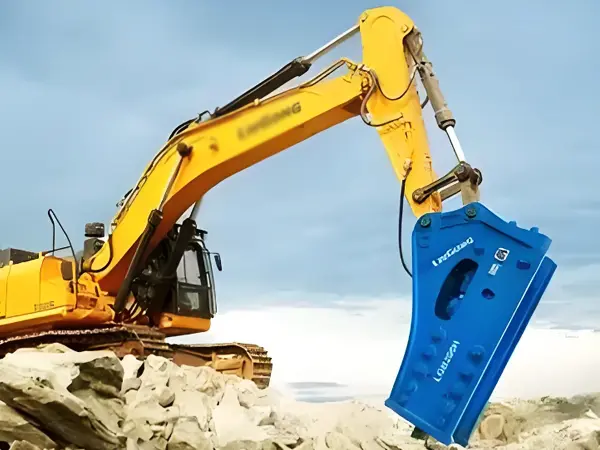
One significant advantage of hydraulic diggers is their versatility. They can be equipped with various attachments such as buckets, hammers, and grapples, making them suitable for a wide range of tasks, from trench digging to demolition. This adaptability is especially beneficial in construction projects where multiple functionalities are required. Professionals should consider the specific requirements of their projects to select the most appropriate attachments, enhancing productivity and reducing operational downtime.
When operating a hydraulic digger, understanding its load capacity and stability is crucial. Exceeding the machine's load limits can lead to tipping or mechanical failure, posing safety risks. Operators must be trained to assess ground conditions and the weight of materials before beginning operations. Additionally, regular maintenance checks are essential to ensure the hydraulic system is functioning properly, as any leaks or inefficiencies can drastically affect performance.
Moreover, advancements in technology are shaping the future of hydraulic diggers. Features such as automated controls, GPS tracking, and telematics systems are becoming increasingly prevalent, offering operators enhanced precision and data-driven insights. These technological innovations not only improve operational efficiency but also contribute to safety and reduced environmental impact.
In conclusion, hydraulic diggers play a vital role in the construction and engineering machinery industry. By grasping the intricacies of hydraulic systems, understanding operational best practices, and staying informed about technological advancements, professionals can maximize the efficiency and effectiveness of their projects. Emphasizing safety and regular maintenance will further ensure reliable performance, making hydraulic diggers an indispensable asset in any construction endeavor.
At the heart of a hydraulic digger's function is the hydraulic system, which utilizes pressurized fluid to power the machine's movements. The key components of this system include hydraulic pumps, cylinders, and fluid reservoirs. The hydraulic pump generates pressure, which is transmitted through piping to hydraulic cylinders, enabling the digger’s arms and bucket to move with precision and strength. This system allows for smoother operation compared to traditional mechanical systems, providing better control over the digger's movements.
One significant advantage of hydraulic diggers is their versatility. They can be equipped with various attachments such as buckets, hammers, and grapples, making them suitable for a wide range of tasks, from trench digging to demolition. This adaptability is especially beneficial in construction projects where multiple functionalities are required. Professionals should consider the specific requirements of their projects to select the most appropriate attachments, enhancing productivity and reducing operational downtime.
When operating a hydraulic digger, understanding its load capacity and stability is crucial. Exceeding the machine's load limits can lead to tipping or mechanical failure, posing safety risks. Operators must be trained to assess ground conditions and the weight of materials before beginning operations. Additionally, regular maintenance checks are essential to ensure the hydraulic system is functioning properly, as any leaks or inefficiencies can drastically affect performance.
Moreover, advancements in technology are shaping the future of hydraulic diggers. Features such as automated controls, GPS tracking, and telematics systems are becoming increasingly prevalent, offering operators enhanced precision and data-driven insights. These technological innovations not only improve operational efficiency but also contribute to safety and reduced environmental impact.
In conclusion, hydraulic diggers play a vital role in the construction and engineering machinery industry. By grasping the intricacies of hydraulic systems, understanding operational best practices, and staying informed about technological advancements, professionals can maximize the efficiency and effectiveness of their projects. Emphasizing safety and regular maintenance will further ensure reliable performance, making hydraulic diggers an indispensable asset in any construction endeavor.